ACZET
Aczet Handheld XRF Analyzers in Dubai, UAE
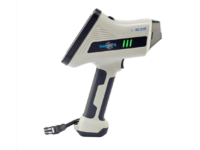
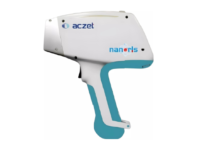
Explore Aczet Nanoris handheld XRF analyzers at Adex International LLC, Dubai, for on-site metal analysis, alloy identification and positive material identification (PMI). The range includes SDD and Si-PIN detector models, giving buyers options for material verification, scrap sorting and industrial quality control.
A portable XRF analyzer allows operators to inspect materials at the warehouse, production facility or project site. This is particularly useful when components are too large or impractical to transport to a laboratory. Aczet identifies alloy testing, precious metal analysis, mining and environmental testing among its handheld XRF applications, subject to the selected configuration and calibration.
XRF stands for X-ray fluorescence. The instrument directs X-rays onto a sample and measures the characteristic fluorescent X-rays emitted by its elements. Software interprets these signals to identify elements and estimate their concentrations. In metal inspection, this information helps assess whether a material’s chemistry matches the expected alloy.
Technical Features and Choosing the Right Aczet Nanoris
Detector selection is an important part of specifying your analyzer. A silicon drift detector (SDD) offers better energy resolution than a comparably sized Si-PIN detector, particularly at high count rates. This can help separate closely spaced elemental signals. A Si-PIN detector remains an option for suitable routine analysis tasks. Choose between them using your target elements, concentration limits and representative samples—not detector type alone.
Aczet’s Nanoris documentation lists the following features:
| Feature | Practical value |
|---|---|
| 4.3-inch resistive touchscreen | Provides an integrated interface for operation and viewing results. |
| 32 GB internal memory | Stores measurement information for later review. |
| USB and Bluetooth connectivity | Supports transfer of test data. |
| Excel and PDF export | Helps prepare inspection records and share results. |
| Customisable reports | Allows inclusion of company details, sample information, results and spectra. |
| Battery operation | Supports field work; Aczet states up to eight hours per battery, depending on use. |
| Calibration check standards | Allow comparison against known values before testing. |
Confirm the supplied configuration, software functions and accessories in your quotation.
For scrap metal sorting, define the alloy groups you need to separate. For PMI and incoming material inspection, provide the required grades and acceptance criteria. For precious metals, minerals or environmental samples, confirm that the calibration and sample presentation method suit the intended analysis.
Sample condition also matters. Surface contamination, coatings and an uneven distribution of elements can affect XRF results. A reading from one location may not represent the entire item, so the inspection procedure should account for sample condition and the need for multiple measurements.
Request an Aczet XRF analyzer quotation from Adex International with your sample type, target elements, alloy grades, daily testing volume and delivery location. Include any reporting requirements and ask for confirmation of model suitability, calibration scope, warranty and lead time.
Frequently Asked Questions About Aczet XRF Analyzers
What is an Aczet Nanoris handheld XRF analyzer used for?
The Aczet Nanoris is used for portable elemental analysis, including alloy identification, scrap metal sorting and material verification. Additional applications depend on the instrument configuration, software and calibration supplied.
What is the difference between Aczet Nanoris SDD and Si-PIN models?
The main distinction is the detector technology. SDD generally provides better energy resolution at high count rates, which can benefit demanding elemental analysis. Confirm performance for your actual samples, required detection limits and testing time before selecting a model.
Can a handheld XRF analyzer distinguish 316 from 316L stainless steel?
Handheld XRF can measure alloying elements used to identify the 316 family, but it cannot measure the carbon content needed to verify the low-carbon 316L designation. For carbon-based grade verification, consider a suitable optical emission spectrometer (OES) or carbon-capable LIBS analyzer.
Does XRF testing damage the sample?
The XRF measurement itself is non-destructive. However, surface preparation may be necessary to obtain representative results. Removing paint, corrosion or another coating can alter the surface even though the measurement does not consume the sample.
Can Aczet Nanoris test gold and other precious metals?
Aczet lists precious metal analysis among the Nanoris applications. Confirm that the supplied calibration covers your metals and concentration range. Plated items need particular care: a surface coating can influence the measured composition, so a surface reading alone should not be treated as proof of the entire item’s purity.
What is the price of an Aczet handheld XRF analyzer in the UAE?
Contact Adex International for a quotation covering the selected Nanoris model, calibration package, software and accessories. Sharing your testing requirements helps establish the correct equipment scope and obtain a relevant price.